PIXNET Logo登入

檳榔嶼

跳到主文

在這樣一個追求名利最大化的仰慕中心的社會中,沒有人可以自由而自洽地活著。因此,女權最好的位置是邊緣,酷兒最好的位置也是邊緣:“酷兒並不是與誰同枕的單一。酷兒關乎一個與周圍格格不入的自我,如何打造和尋找一個空間生存和綻放。” 而愛,是這個空間的養料。

部落格全站分類:圖文創作

  • 相簿
  • 部落格
  • 留言
  • 名片
  • 2月 15 週一 202110:09
  • [Strategic Thinking] Setting Business Unit Goals

image

Goals links : 
  1. Strategy
  2. Financial Results
  3. Incentives
Goal-setting principles : SMART
  1. Specific : Provides details for behavior or desired outcome
  2. Measurable : Report the degree of success
  3. Achievable : Motivates people to try
  4. Relevant : Obviously tied to the broader corporate goals
  5. Time-bound : Enables for better project planning
Quantitative Goals
  1. Financial results
  2. Operational metrics
  3. Customer dynamics
  4. Quality
Qualitative Golas
  1. Milestones
  2. Use case completion
  3. User acceptance testing
  4. Training completion
Set commit and stretch goals
  - Commit : A non-negotiable promise of what will be delivered, Consequences for missing the goal
  - Stretch : Something for the team to aspire to, Reward for achievement
Provide a clear strategy to help people understand where their work fits into the broader whole.
What to do when overallocating
  1. Do not break the SMART rules
  2. Watch for sandbagging
Reality checking goals : Review goals
  - Supporting Goals : Review for redundancies
  - Dependencies : Review resources
  - Take time to review how goals impact one another
Troubleshooting goals
  - Look for negative behaviors that may arise based on goals
  - Revise the goal or revise the incentives
  - Decide what behaviors you want, and structure incentives accordingly
Communicating Goals
  - Communication
    1. Provide broader strategic context
    2. Explain how goals are tied to corporate success
Provide resources to reach goals
  - Benefits
    1. More control over resources
    2. Direct the distribution of resources
  - Challenge
    1. Obtaining additional resources
    2. Improper allocation
Measuring goal performance
  - Clearly Define Measurements
    1. Metrics
    2. Data sources
    3. Methods
    4. Frequency
  - Have specific reasons for measuring?
  - Determine the results that will trigger contingency plans.
Revise goals
  - Set new goals when priorities change
  - When the environment changes, review your goals and make changes as necessary
Holding people accountable
  - Assess Missed Goal
    1. How much is attributable to the team?
    2. How much was beyond their control?
  - Be willing to make the tough calls. Hold people accountable accordingly.
Avoid pitfalls
  - Not looking at integrated view of all goals
    --> Do a thorough goal review
  - Not aligning incentives
    --> Understand drivers of behavior, Monitor behaviors
  - Setting goals too aggressively
    --> Set stretch and commit goals, Change goals as necessary
  - Not communicating how goals tie to the broader strategy
    --> Tie strategic plan communication to goal rollout communication
(繼續閱讀...)
文章標籤

pixnetinpenang 發表在 痞客邦 留言(0) 人氣(2)

  • 個人分類:Strategic Thinking
▲top
  • 2月 12 週五 202108:06
  • [Strategic Thinking] Strategic Agility, Be Human

image
Course : LINK
Drive changes, on an ongoing basis.
  - Reward Innovation
  - Leverage techinology in a possible way
  - Be Human
Strategy and the pace of change : Industries are unbundling
  - Healthy Industry
  1. Easy for start-ups to enter the industry
How organizations are unbundling
  - Anchors of the Organization
    1. Purpose
    2. Core competencies
    3. Values
How to manage change - forever
  - Cycles between de-centralized and centralized organizations to reply changes in the world
  - What if change is constant?
    - Strategy Agility : About Transformation, not Reorganization
  - Set up the process as a life-long journey
The end of the perfect strategy
  - Strategic meltdowns are all too common.
  - Signs Your Strategy is Failing
    1. Missed Opportunities
    2. Inability to move quickly
    3. Difficulty attracting and retaining talent
    4. Workers are unaware of your strategy
    5. Wasted time and money on initiatives
    6. Competitor beats you in core area
  - Continually adapt your organizational strategy
Understand agility
  - Become more agile through observation and practice
  - Agile process allow teams to quickly learn from their mistakes and adjust
  - Agile Organization
    1. Base goals on core constituents' needs
    2. Collaborate with team members
    3. Empower teams to make decisions
    4. Test decisions quickly
  - Strategy Assessment
    1. Does the strategy articulate the needs of the organization's core constituents?
    2. Are collaborative groups defined that have to make the strategy successful?
    3. Does the strategy state how parts of organization are empowered to implement it?
    4. Will the organization know if its strategy is effective?
Organizational culture and agility
  1. Understand an organization's established culture
  2. Learn if there are multiple cultures and how they var
  3. Understand that cultures are difficult to change
  - Gauging Your Culture
    - What are the five most important ways people can perform successfully in this organization?
Rethink the purpose of the organization
  1. Vision : Establish what type of world the organization wants to help come into being
    - Make the vision so big it is unattainable
  2. Mission : Determine what problems the organization is working to solve
    - Make the mission attainable for workers
  3. Values : Describe actions workers can take to help the organization reach its strategic goals
  - Find purpose
    - Stated purpose offers a clear picture of what success looks like
Align activities with strategic goals
  - Workers must feel a connection with the organization's strategic goals
    1. Every worker must know the organization's strategy.
    2. Each team must align with one or more strategic goals.
    3. Individual deliverables must be tied to their team goals.
How to embrace a culture of risk
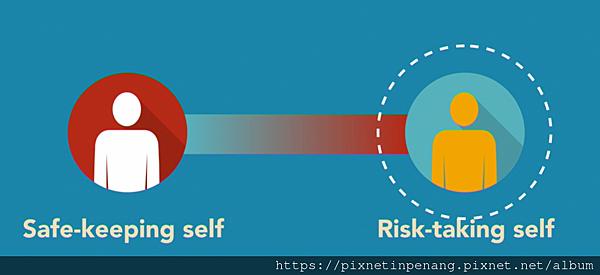
  - Most people don't take risks, hold protective positions.
  - How to Encourage Risk-Taking
    1. Grant permission of workers to take risks
    2. Embrace failure
    3. Focus on problems to solve and the result - not the process
Model adaptive behavior
  - Leaders must be as adaptive as their workers.
  - Tests for an Adaptive Leader
    1. Do you seek input that challenges your decisions?
    2. Do you allow your team to decide how to generate results?
    3. If the team fails, do you help team understand why and have them try again?
How to be a digital-first organization
  - be digital everywhere
  - How to Be Strategically Agile?
    1. Think digital first and leverage technology
    2. Use data to define goals and track strategies
    3. Hire digital natives and upgrade workers' tech skills
    4. Use a lean infrastructure
    5. Transform your IT department
  - Create an Adaptive IT Department
    1. Involve IT in strategy development from the start
    2. Provide IT with the necessary resources
    3. Have your chief information officer also act as the chief innovation officer
Streamline your processes and practices
  - Many processes are only tasks of a mission
  - How often are old processes eliminated?
  - How to streamline Processes?
    1. Encourage workers to find processes to streamline
    2. Hold Process Hackthons
    3. Rotate process innovation around the organization
How organizations can do well, and do good?
  - Only considering shareholder value can be strategically limiting
  - Workforce = Portfolio of People
  - Millennials want to work for organizations with a purpose.
Are you achieving your strategic goals?
  - Signs You Are More Strategically Agile
    1. You can spot opportunities you may have missed.
    2. Organization takes advantage of opportunities - quickly
    3. You attract and retain talented workers
    4. Workers know the organization's strategy and how they support it.
    5. Failing initiatives have been cut loose.
    6. You quickly respond to competition.
  - Use data to track your achievements
Become the organization of the future 
  - Characteristics of an Agile Organization
    1. Individuals are empowered to make decisions
    2. Team band together to solve problems.
    3. Managers act as advisers.
How to be agile overtime?
  - Beware of strategy development fatigue
  - How to Avoid Fatigue?
    1. Alternative between incremental and long-term strategy development
    2. Update how you measure a strategy's effectiveness
  1. Involve new people in your strategy development process
  2. Synchronize your strategy on a regular basis
  3. Realign individual and team goals with the organization's goals
(繼續閱讀...)
文章標籤

pixnetinpenang 發表在 痞客邦 留言(0) 人氣(0)

  • 個人分類:Strategic Thinking
▲top
  • 2月 10 週三 202107:32
  • [Strategic Thinking] BU strategies and Strategic Alignment

image
A Simple Way to Test Your Company's Strategic Alignment
  1. How well does your business strategy support the fulfillment of your company’s purpose?
  2. How well does your organization support the achievement of your business strategy?
Dynamic Strategy
  - We need an alive strategy to face the world's changes, customers' changes, and competitors' changes.
  - Open, Adaptive, not Solved and Settled.
  - It is so important for strategilists to manage the process of strategies.
Developing Strategy in an Uncertain World
  1. Determine your beliefs about how the business works, its key trends, and its destination
  2. Set Direction by determining a compass heading and pace
  3. Prepare for the "killers" and "kickers" by asking what will make and break your organization
  4. Review and reassess developments and be ready to make new decisions
Get Strategy Execution Right
  1. Do you have the right strategy?
    - Elements of strategy
      a. a clear goal
      b. a defined target market and products
  2. Employ a fair and open process to create one
  3. Use your project management skills to implement it
    - To implement a Strategy
      a. build project teams
      b. create milestones
      c. set performance indicators
      d. track progress
      e. report to stakeholders
      f. hold people accountable
  4. Treat it as a real initiative
 
(繼續閱讀...)
文章標籤

pixnetinpenang 發表在 痞客邦 留言(0) 人氣(0)

  • 個人分類:Strategic Thinking
▲top
  • 2月 08 週一 202108:54
  • [Strategic Thinking] Develop Business Acumen

image
Course : LINK
Understand common terminology
  - Business Model : A plan to generate revenue and profit
  - Value Chain : The process by which business receive raw materials, add value to the raw materials, and then sell that end product to customers.
  - Strategy : A long-term plan of action designed to achieve business goals and objectives
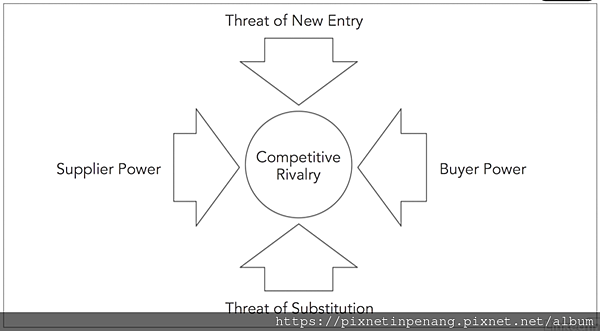
  - Porter's 5 Forces : A model that identifies competitive forces that shape every industry
  - Growth Horizons : A plan to grow your business over time
    1. Near Term : Opportunities to extend your business
    2. Mid Term : Opportunities to build the future
    3. Long-Term : Opportunities that create business options
  - P&L Statement : Financial report that tracks revenue and expenses
  - SG&A : Selling, general, and administrative expenses
  - ROI : Return on investment
  - Capital Expenditure (CapEx) : Purchases made to generate future value
  - Fixed Costs : Static expences
  - Variable Costs : Expenses based on the amount of product produced
Know the basics of your business
  - What business are you in?
  - What markets do you compete in?
  - Who are your competitors?
  - Who is your customer?
  - Ask your organization :
    1. How do we compete?
    2. Who are our customers?
    3. What differentiates our business?
Define your products and services
  1. What problem does your business solve?
  2. What solution do you offer?
    - How to solve customers' problems?
    - How to present your product as the best solution?
  3. Who are your prospects and customers?
  4. Why should prospects choose your product?
Build your offerings
  - Where do inputs come from?
    - Manufacturing
      1. In-house
      2. Outsourcing
      3. Partnership
    - Personnel
      1. Employee
      2. Contractors
Price strategy
Growth strategy
  1. Acquisition : buying
    - Consolidate departments and expenses to reduce costs
    - Sell into new markets to drive growth
  2. Organic
  3. Geographic expansion
  4. New products
Understand profit and loss
  1. Revenue
  2. Cost of goods sold (COGS)
  3. Gross Profit
  4. Operating profit
  5. Interest, taxes, depreciation, and amortization
  6. Net income
Know your performance levers
  - Revence
    1. Pricing
    2. Volume
    3. Discounts
  - Costs
    1. Labor
    2. Raw Materials
  - What performance levers has your company been pulling?
  - Why did your company pull these levers?
  - Were they successful?
Assess trends
  - General Trends
    1. Sales and profit
    2. Margin
    3. Cash accural
  - Operating Trends
    1. Head counts
    2. Spending
    3. Raw Materials
  - Competitive Trends
    1. Market share
    2. Utilization
    3. Fill rate
    4. Cost per account
  - Don't read the summary
  - Analyze the information of yourself
Assess the competitive environment
  1. Competitive Rivalry
  2. Buyer Power
  3. Supplier Power
  4. Threat of New Entry
  5. Threat of Substitution
Define how you'll compete and win
  - Core competencies are what make you great
    1. Make a list of your major competencies
    2. know how to explain your position in the marketplace
      - what makes you great
  - What differentiates you in the marketplace?
  - What are your core competencies?
Evaluate your initiative pipeline
  - Initiatives drive the new products and innovations that fill the pipeline
  - Clarify initiatives to refine the pipeline
Set priorities
  - How are projects prioritized in your company?
  - Who sets the priorities and manages the process?
  - How are ideas submitted?
  - What kinds of projects get approved?
Know your operations
  1. How do your operations run?
  2. How are your operations organized?
  3. How do you handle raw materials?
  4. How do you transport goods and materials?
  5. Review your profit & loss statement for operations.
  6. How do your operations impact profitability?
Consider how you sell and market
  - Do you sell to consumers or through distributors?
  - Sales models can be customer driven.
  - Who are your customers and how do you reach them?
  - Different sales models drive different cost structures
Understand research and development
  - What type of R&D does your company do?
  - R&D process depends on the business model
  - How to find your R&D models?
    1. Read your annual reports
    2. What innovations are being considered by management?
    3. How do innovations get to market?
    4. Talk to stakeholders who lead successful development projects
      - Where did the idea come from?
      - Was it formal or informal process?
Develop new products
  - How do you create new products?
  - Who makes the decisions?
  - What research is done to support new products?
  - How long does it take to create a product?
  - How do you protect new products?
Manage people
  - What types of Employees Do You Have?
    1. Hourly?
    2. Salaried?
    3. Contract?
  - How are your employees paid?
  - How do you measure employee performance?
  - People drive operations, which drives performance
Look at the complete business
  1. Develop cross-functional relationships
  2. Research information available externally and internally
  3. Listen to earnings calls and quarterly business reviews
(繼續閱讀...)
文章標籤

pixnetinpenang 發表在 痞客邦 留言(0) 人氣(1)

  • 個人分類:Strategic Thinking
▲top
  • 2月 05 週五 202116:50
  • [Strategic Thinking] How to Make Strategic Thinking a Habit

96% of leaders say they don't have time for strategic thinking.
Course : LINK
Making time for strategic thinking
  1. Put time on your calendar. Even an hour for one month
    - Could I do something different and better?
  2. Multitask
    - Along with exercise, taking shower ...
  3. Practice daily writing
  4. Leverage wasted time
Finding the right place for strategic thinking : pay more attention on places
  - Change the place where you do your thinking.
  - Leverage the power of places
    1. Travel abroad
    2. Find a new location locally
    3. Try a different spot in your office
    4. Go outside
      - Reduce stress
      - Increased creativity
Make small changes to spark strategic thoughts
  1. Record conversations : allows you to capture thoughts and ideas
  2. Write things by hands
  3. Draw your ideas
Forget to-do lists
  1. To-Focus-On Lists
    - 3 months, 1 year, 5 years
  2. To-Be List : Who you are in the world
How to analyze your decisions
  1. Write down your assumptions
  2. Practice scenario thinkings
  3. Use premortem and postmortem analysis
How to constantly to improve your strategy
  1. Create an inspriration file
  2. Give yourself an assignment
Look at the root cause of problems : Identify the root cause
  1. Confirm the facts : what is the evidence?
  2. Have clear goals
  3. Use the five why processes
How can this be easier?
  1. List every step in the process
  2. Determine which steps are essential
  3. Conduct a test
What can you cut out?
  1. What is the most critical?
  2. What is the most time sensitive?
  3. What can you hand over to someone else?
  4. Where can you make cuts and improve performance or results?
What is unlikely to change?
  1. Be aware of the landscape around you
    a. Keep up on industry trends
    b. Find out what's important to your boss
    c. Know your company's priorities
    d. Read newspapers and industry publications
  2. Know the basics of your industry and of business
  3. Learn what customers want
  4. Understand what might change
Where can you get more leverage?
  - We have the same 24 hours a day, 7 days a week.
  - Getting more value out of the time, energy, and effort you're putting on
    1. How can we get something we've already done in front of more people?
    2. Where else can we market this product
    3. How can we do two things at the same time?
      - Look for complementary things you can do at the same time
Think strategically every day!!!
 
(繼續閱讀...)
文章標籤

pixnetinpenang 發表在 痞客邦 留言(0) 人氣(2)

  • 個人分類:Strategic Thinking
▲top
  • 2月 03 週三 202117:54
  • [Strategic Thinking] Strategic Thinking

Course : LINK
Website : https://dorieclark.com/
Embrace the strategic thinking mindset :
  - Conditions change Strategy change.
    1. Question Assumptions
  - Unpack existing habits and practices.
    2. Observation
  - Macrotrends
  - System Interaction
  - Overlooked and unpopular
    3. Reflection : Doesn't take time, take spaces.
      - Clear desk mentally
Strategy : Not just for corporations
  - Corporate
  - Team
  - Individual
  - Questions to Ask
    1. Where do I want to be in 3 to 5 years?
    2. Am I on track now?
    3. How can I increase my chances of success?
The sequence of strategy
  - About Big-Picture Choices you make
  - Be clear and procative about what you will do and what you won't do
  - Goals
Make time to be strategic
  - Build time to put strategic thinking into your schedule
  - Free your attention
    1. Tune out weekly : Take an hour a week, maybe sit or walk
    2. Sit with your thoughts
    3. Let your mind wander
    4. Ask the big questions
    5. Use blogging
Consider the future and learn from the past
  - Monitoring Trends
    1. Read widely and often
    2. Identify well-informed people
  - Scenario building
How to create an informed strategy
  1. Good strategy doesn't have to be innovative
    - Look to past successes
  2. Consider the future trends in your industry
  3. Solicit input from diverse sources
Get real about your strategy
  1. Map your assets and allies
    - Find key relationship
  2. Identify your constraints
  3. Create specific steps
Strategic thinking with your team
  1. Have premeetings
  2. Prepare for facing objectors
  3. Create systems for accountability
Measure your success
  1. Clarify your goals and metrics
  2. Evaluate your progress at regular intervals
  3. Identify tracking methods in advance
  4. Documents your processes
Strategic thinking is an going process
  - Questions to audit your strategy
    1. Are you failing to meet initial expectations?
    2. Has there been a major change in circumstances?
    3. Is there a more promising alternative?
      - It must provide significantly more probability for growth
  - When considering a change
    1. Run a small test
    2. Consult colleagues and advisors
The limits of strategy
  - Accept the present moment and move on.
  - Respond decisively
  - Embrace improvisation
Create a recurring calendar event and find an accoutibility partner
(繼續閱讀...)
文章標籤

pixnetinpenang 發表在 痞客邦 留言(0) 人氣(1)

  • 個人分類:Strategic Thinking
▲top
  • 1月 30 週六 202109:33
  • [Strategic Thinking] Why Do You Need To Think Strategically

Why You Need to Think Strategically
  1. Take the time to know your company's strategy and priority.
    - Am I doing the right work?
    - Does it support the important roles?
  2.  Become a habit to think broadly
  - You have valuable perspective to contribute. Be patient and stick with it.
4 ways to Improve Your Strategic Thinking Skills
  - What specific steps can you take to be more strategic in your current role?
  - Start by changin you mindset. It can, and must, happen at every level of the organization.
  1. Know : Observe and Seek Trends
    - Make it a routine exercise to explore and synthesize the internal trends in your day-to-day work.
    - Be proactive about connecting with peers both in your organization and in your industry to understand their observations of the marketplace.
    - Understand the unique information and perspective that your function provides and define its impact on the corporate level strategy.
  2. Think: Ask the Tough Questions
    - Practice using strategic thinking by asking yourself, “How do I broaden what I consider?”
  3. Speak: Sound Strategic
    - Add more structure to your written and verbal communication. Group and logically order your main points, and keep things as succinct as possible.
    - Prime your audience by giving them a heads up on the overarching topics you want to address so they are prepared to engage in a higher level conversation, not just the tactical details.
    - Practice giving the answer first, instead of building up to your main point.
  4. Act: Make Time for Thinking and Embrace Conflict
Strengthen Your Strategic Thinking Muscles
  - Being more strategic doesn’t mean making decisions that affect the whole organization or allocating scarce budget dollars. It requires only that you put the smallest decision in the context of the organization’s broader goals.
  - If you’re not being seen as enough of a strategic thinker, my guess is that it’s because you’re so busy. What percentage of your workweek is spent in meetings? How much of the time left over is a mad dash to respond to emails, make phone calls, and do some actual work? Is there anything left? Under the guise of productivity, you have probably squeezed out thinking time. 
  - it’s critically important to make time to reflect before making decisions.
  - Focusing too narrowly restricts your chance to be strategic. Strategic people create connections between ideas, plans, and people that others fail to see.
  - Strategic people see the world as a web of interconnected ideas and people and they find opportunities to advance their interests at those connection points.
  - That necessitates the ability and willingness to make choices. 
  - You will be seen as more strategic if you take action and course-correct than if you choose to stagnate and doing nothing or stall from trying to do everything.
  - By investing time and energy to reflect on the situations and decisions that face you; by finding ways to connect ideas and people that you had never linked before; and by having the courage to make choices about what you will do and what you won’t, you will greatly increase your strategic contribution.
(繼續閱讀...)
文章標籤

pixnetinpenang 發表在 痞客邦 留言(0) 人氣(0)

  • 個人分類:Strategic Thinking
▲top
  • 1月 26 週二 202123:15
  • [Strategic Thinking] Essence - Understand Strategy, What is strategy?

image
Five Questions :
  - What are our broad aspirations for our organization & the concrete goals against which we can measure our progress?
  - Across the potential field available to us, where will we choose to play and not play?
  - In our chosen place to play, how will we choose to win against the competitors there?
  - What capabilities are necessary to build and maintain to win in our chosen manner?
  - What management systems are necessary to operate to build and maintain the key capabilities?
How to think about strategy
  1. Strategy as an integrated set of choices - what are the difficult trade-offs?
  2. Strategy as differentiation - trying to be in a category of one
  3. Strategy as a segment-specific focus - be careful about jumping into adjacent segments
  4. Strategy as relative superiority - between you and your competition
Strategy is how your organization chooses to deliver its products or services to meet your customers' needs.
Two major elements of a good strategy :
  - Value Proposition
  - Value Chain
Dynamic Strategy
  - World Changes, Need a strategy alive
  - Open, Adaptive, Not Solid and Solved
Why Important?
  - Excellent execution is not enough to remain successful
  - Help you or your organization continue to thrive
Your Role:
  - Analyze information to develop you or an organization-wide strategy
  - You and your unit may create and execute action plans
  - You may initiate your own strategic planning process
Creating Strategy
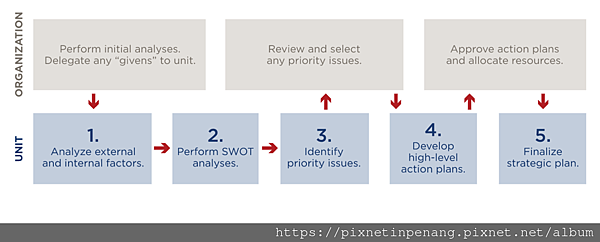
  - Strategic planning process : the result of it is strategic plan
    - A strategy is sound
    - All units are aligned with the strategy
    - Strategy implementation is effective
  - Strategic plans usually contain
    - Direction statement : a summary of the organization's vision, mission, and values that guide the strategy
    - Strategic objectives : goals and outcomes that represent achievement of a strategic vision
    - Priority issues : key issues that the organization needs to tackle to be successful
    - Action plans - specific steps the organization needs to take to accomplish its priority items and reach its objectives
  - How IBM's Vision Changed Strategy Execution
The Strategic Planning Process : a blend of art and science
  - Understand what you currently do
  - Determining what you want to become
  - Planning how to get there

SWOT Analysis : Link
(繼續閱讀...)
文章標籤

pixnetinpenang 發表在 痞客邦 留言(0) 人氣(0)

  • 個人分類:Strategic Thinking
▲top
  • 1月 26 週二 202122:34
  • [Strategic Thinking] Learning Map

image001.png
Time : 30 hours
Why : Functional Learning Plan - Increase one new skill on work to think things systematically
What :
  - Concept :
    - Curiosity
    - Identify capability and resource gap
    - Value-creating potential and risk judgement
    - Ambitious and Realistic
    - Observation
    - Asking the Tough Questions
    - Thinking and Embracing Conflicts
    - Innovation
    - Analytic skills
    - Communication skills
    - Problem-solving skills
    - Planning and management skills
  - Fact :
  - Procedure :
How :
  - Online Courses
  - Reading Articles
  - Reading Books
  - Practice
Reference Website : Link
(繼續閱讀...)
文章標籤

pixnetinpenang 發表在 痞客邦 留言(0) 人氣(0)

  • 個人分類:Strategic Thinking
▲top
1

個人資訊

pixnetinpenang
暱稱:
pixnetinpenang
分類:
圖文創作
好友:
累積中
地區:

熱門文章

  • (2,291)雲林北港食記(2020/06/22) - 葉記古早味三絲捲/阿婆煎盤粿/北港榮哥蝦米肉燥粿/廟後紅龜粿
  • (865)台南食記 - 七股鹽山  鹽之花霜淇淋
  • (781)新竹食記 - 大庄冰王/開源社南大店
  • (688)檳城食記 - 檳島 GURNEY 松花江餐室(SONG RIVER CAFE)
  • (244)阿德勒個體心理學 (14) - 早期回憶與夢
  • (110)檳城食記 - 快樂拉茶(HAPPYLATEA) MILO DINOSAUR (美祿恐龍)
  • (92)新竹食記 - 原味香號
  • (90)名言語錄
  • (57)第五項修鍊II (11) - 心智模式/兼顧主張與探詢
  • (34)北港遊記(20200622) - 北港老街

文章分類

toggle 日本の旅行 (1)
  • 北海道の旅行 (1)
toggle 所有的自己 (4)
  • 我的心情隨筆 (35)
  • 我的極簡生活 (42)
  • 我的復原計畫 (1)
  • 我的食譜 (1)
toggle 人生規劃局 (5)
  • 職場專業 (2)
  • 投資雜記 (8)
  • 英文學習 (4)
  • 人生計畫 (2)
  • Data Visualization (20)
toggle 聞意青年 (12)
  • Strategic Thinking (9)
  • sociology (28)
  • Communication (24)
  • Presentation (12)
  • Self-helping (175)
  • 修行 (124)
  • 被討厭的勇氣 (154)
  • 閱讀 (74)
  • 電影的小觀感 (18)
  • Time Management (4)
  • 管理 (56)
  • Feminism (387)
toggle 隨口說說別太認真 (3)
  • 碎碎的碎碎唸 (77)
  • 這時候笑就對了 (2)
  • 感謝日誌 (14)
toggle 台灣旅遊 (5)
  • 新竹の食 (2)
  • 台灣の食 (90)
  • 台灣の景 (23)
  • 台南の食 (2)
  • 台灣の文具 (3)
toggle Live in Malaysia (2)
  • Work in Malaysia (29)
  • Food in Penang (2)
  • 吃吃喝喝煮煮 (29)
  • 未分類文章 (1)

最新文章

  • [我的心情隨筆] 怪罪別人的習性 - 2023/07/08
  • [我的極簡生活] 我想離開台灣的原因 - 2023/07/03
  • [我的心情隨筆] 渺小 - 2023/06/22
  • [我的心情隨筆] 那又沒什麼?- 2023/06/22
  • [我的心情隨筆] 痛苦轉移 - 2023/05/27
  • [我的心情隨筆] 害怕"止" - 2023/05/26
  • [我的心情隨筆] 人一直在餵養自己負面的種子 - 2023/05/18
  • [我的極簡生活] 東京、北海道 - 2023/5/12
  • [我的心情隨筆] 我是魚,魚是我 - 2023/05/02
  • [我的心情隨筆] 食譜 - 2023/04/09

最新留言

    動態訂閱

    文章精選

    文章搜尋

    誰來我家

    參觀人氣

    • 本日人氣:
    • 累積人氣: